
Aesthetic Surgery
Do Breast Implants Need to Be Replaced After a Certain Number of Years?
There is no single mandatory replacement date for every person with breast implants. That does not make them lifetime devices. Complications become more likely over time, so observation, replacement or removal should be based on follow-up and an individual surgical assessment, not the calendar alone.
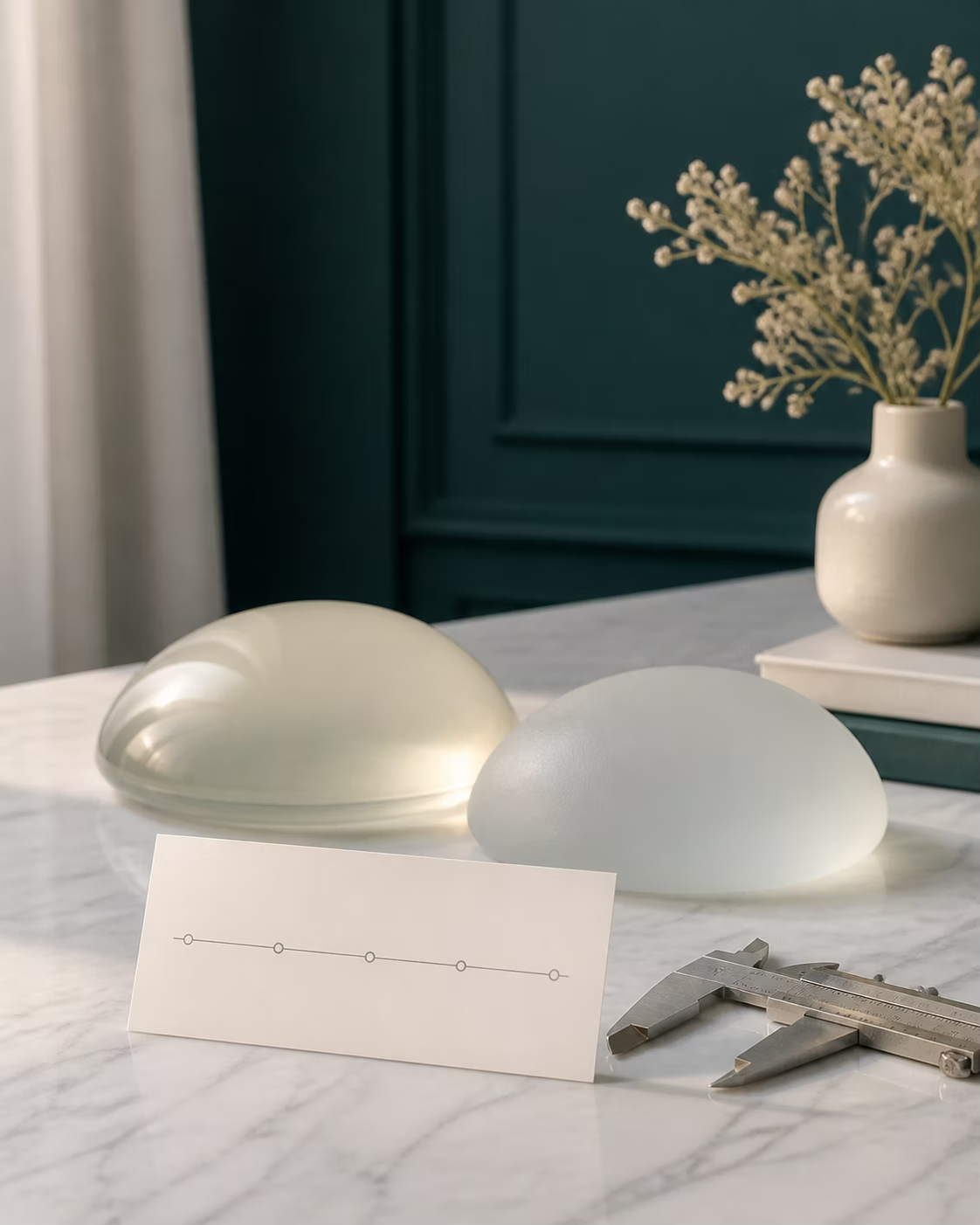
·
Why is the tenth anniversary not an automatic operation date?
The NHS explains that some women need further surgery after about ten years because of implant problems or changes in their breasts. This is not a universal expiry date. The FDA stresses that implants are not lifetime devices. Having no fixed replacement date does not remove the need for ongoing care.
What can lead to further surgery?
A surgeon may consider surgery for rupture, painful capsular contracture, displacement or other complications. Choosing a different size or implant removal is another possible reason. These situations require different investigations and plans, not one standard replacement procedure.
Changes in appearance can also arise in the surrounding tissues. A photograph or an implant's age alone cannot identify the cause. Read more about breasts with implants as they age.
No symptoms does not prove an implant is intact
Silicone implant rupture can be silent. Appearance and physical examination do not always detect it. The FDA describes the role of MRI and ultrasound in assessing such damage.
ASPS cites US advice to start silicone implant imaging at 5–6 years and repeat it every 2–3 years. Discuss this with your doctor; it is not a universal timetable for every device and country. Your plan should reflect implant type, documentation, treatment history and clinical advice. Symptoms may require earlier investigation.
Integrity checks do not replace breast cancer screening. Our guide to mammograms with implants explains the distinction.
Which symptoms should not wait for routine follow-up?
New or persistent swelling, pain, a lump, increasing hardness or a change in breast shape needs medical assessment. These do not automatically mean rupture, but should not be dismissed as ordinary ageing. Investigation distinguishes possible causes, including rare implant-related complications. Seek urgent local care for severe, rapidly worsening symptoms or fever.
What should you bring and ask?
- Your implant card, operation report and previous test results, if available.
- When symptoms began and what changed, rather than just the implant's age.
- Whether observation, further tests, replacement or removal is needed, and why.
- The risks of further surgery, aftercare and possible breast appearance without a new implant.
A manufacturer's device warranty does not promise free surgery. Before reoperation, request written terms and a quote covering investigations, anaesthesia, stay, any new implant and follow-up. Do not assume an earlier package covers everything.
Flymedica helps coordinate contact with an independent clinic for treatment in Turkey. A surgeon makes medical decisions after assessment. Do not wait for an overseas trip to investigate a new symptom.
Medical sources
- NHS England: Breast screening with breast implants
- FDA: Risks and Complications of Breast Implants
- FDA: Things to Consider Before Getting Breast Implants
- ASPS: Breast Implant Safety
- NHS: Breast enlargement (implants)
Sources checked on 19 October 2026.
This article is for information and does not replace medical advice. Doctors at independent facilities select tests, assess suitability and make treatment decisions. Outcomes vary and are not guaranteed.
Questions and answers
Frequently asked questions
Must an intact implant be replaced exactly after 10 years?
There is no rule for everyone. Implant and tissue condition and follow-up findings matter more than the anniversary alone. No indication for surgery does not mean follow-up can stop.
Does removing an implant always require a new one?
No. Removal without replacement is an option. The surgeon explains indications, risks and likely changes in breast appearance.
I have no records for an old implant. Where should I start?
Request the implant card and operation report from the clinic and arrange a surgical assessment. If you have symptoms, do not wait until you recover every document.
Does normal breast appearance rule out rupture?
No. Silicone implant damage can occur without a visible change. A doctor determines when imaging is needed and which test to use.