
Dentistry
Zygomatic Implants — Who Are They For?
When bone loss rules out a classic implant, a solution used since the 1990s comes into play: anchoring in the cheekbone instead.
Published: 23 August 2026 · Updated: 23 August 2026
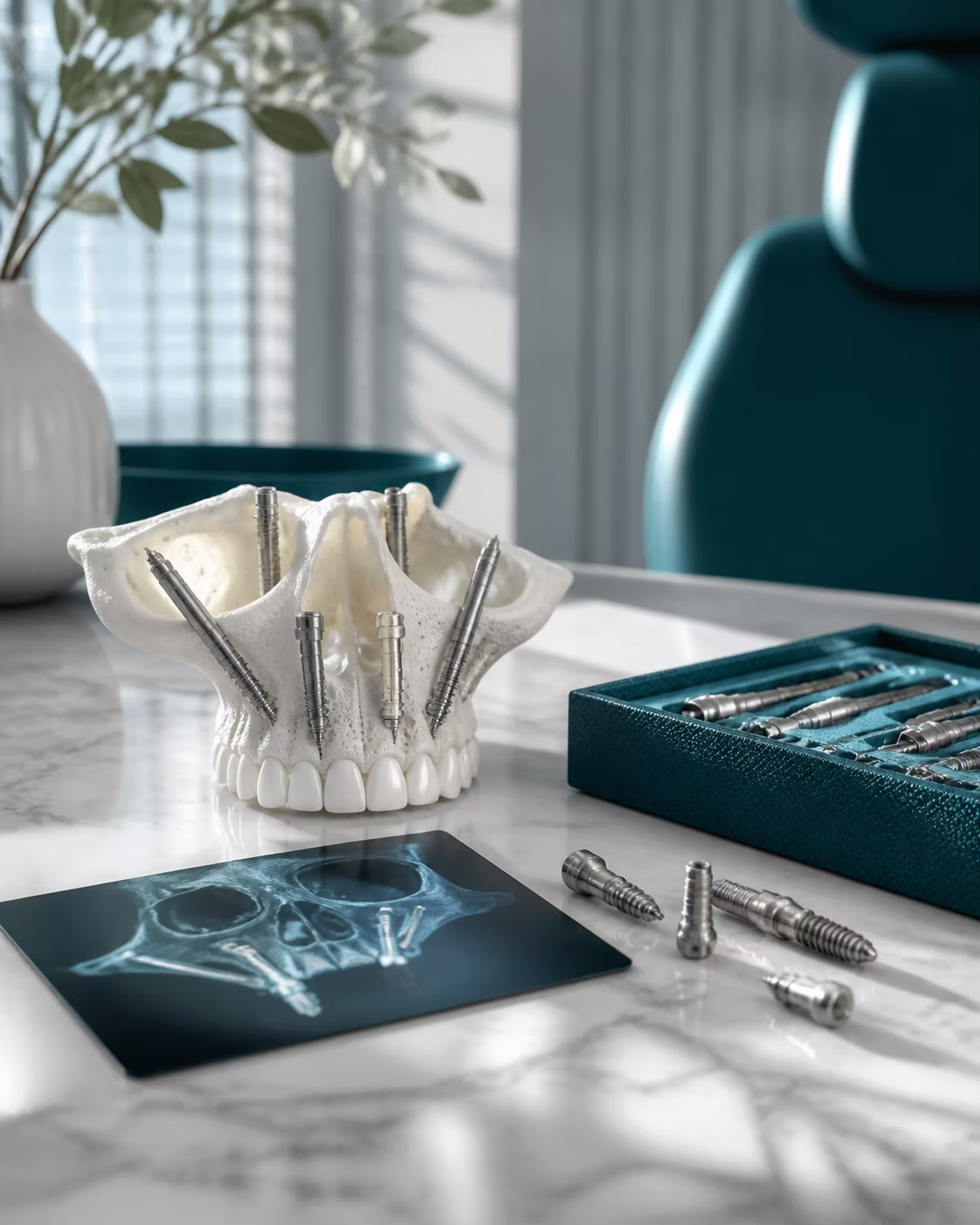
Where the difference comes from
Zygomatic implants are longer than standard dental implants and are anchored in the cheekbone (zygomatic bone) rather than the jaw itself — which sidesteps the problem of significant bone loss that would otherwise rule out a classic implant.
When this actually makes sense
It's considered when classic implantation would require bone reconstruction first — which extends the whole treatment timeline. The final assessment is based on a CT scan, not on a conversation alone.
What to confirm before deciding
An article about “Zygomatic Implants — Who Are They For?” does not replace a dental examination. A treatment plan is based on the condition of the teeth and gums, medical history, medicines and, where needed, imaging tests.
Ask about alternatives, the expected treatment time, hygiene, risks and follow-up care. A well-prepared plan should be clear before treatment begins.
The content on this page is for informational purposes only and does not constitute medical advice. Each case requires an individual consultation. Treatment results depend on patient characteristics and are not guaranteed.
Questions & Answers
Frequently Asked Questions
Are zygomatic implants a standard solution?
No — they're an option for specific, selected cases of significant bone loss, not a default method.