
Hair Loss — Knowledge Base
Traction Alopecia — When a Hairstyle Pulls Too Hard
A tight ponytail, braids, extensions worn for years — for hair follicles, that's a real strain, not just a styling choice.
Published: 23 August 2026 · Updated: 23 August 2026
How it develops
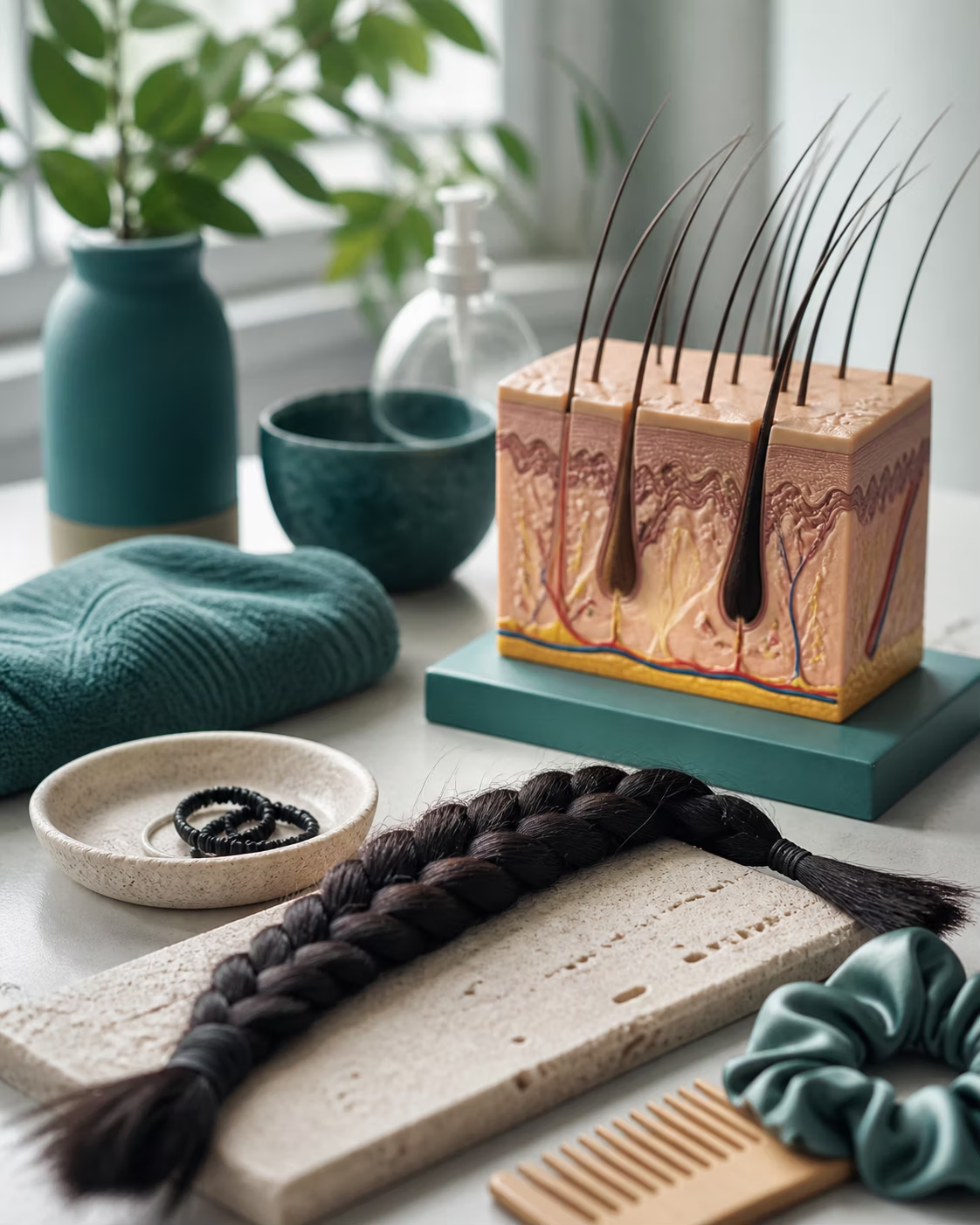
Repeated, long-term pulling on the hair weakens follicles at the points of greatest tension — most often along the front hairline and temples. Over time, a weakened follicle may stop producing new hair.
Can it be reversed
In the early stage — simply by easing off the pulling — follicles usually return to normal function. If it's gone on for years, the changes may already be permanent. Either way, a dermatological assessment helps pinpoint which stage you're actually at.
What to discuss during a consultation
An article about “Traction Alopecia — When a Hairstyle Pulls Too Hard” can help organise the subject, but the cause of a hair or scalp problem needs an individual assessment. Sudden or worsening hair loss, pain, itching or changes to the scalp should be discussed with a doctor or dermatologist.
Bring information about when the symptoms started, your health conditions, medicines and recent health changes. This helps clarify whether further tests are appropriate and what next steps may make sense.
The content on this page is for informational purposes only and does not constitute medical advice. Each case requires an individual consultation. Treatment results depend on patient characteristics and are not guaranteed.
See the service page: Hair Loss — Knowledge Base Free Consultation
Questions & Answers
Frequently Asked Questions
Is traction alopecia always permanent?
No — in the early stage, easing off the pulling lets follicles return to normal work. With a long-standing process, changes can become permanent.