
Dentistry
How Many Teeth Do Veneers Usually Cover?
One tooth after an injury, or an entire visible arch — veneers work at both scales. Here's what decides the scope.
The Flymedica offering includes veneers made from e.max and zirconia crowns with Ivoclar e.max porcelain. The clinic matches the shape and shade individually.
Published: 23 August 2026 · Updated: 23 August 2026
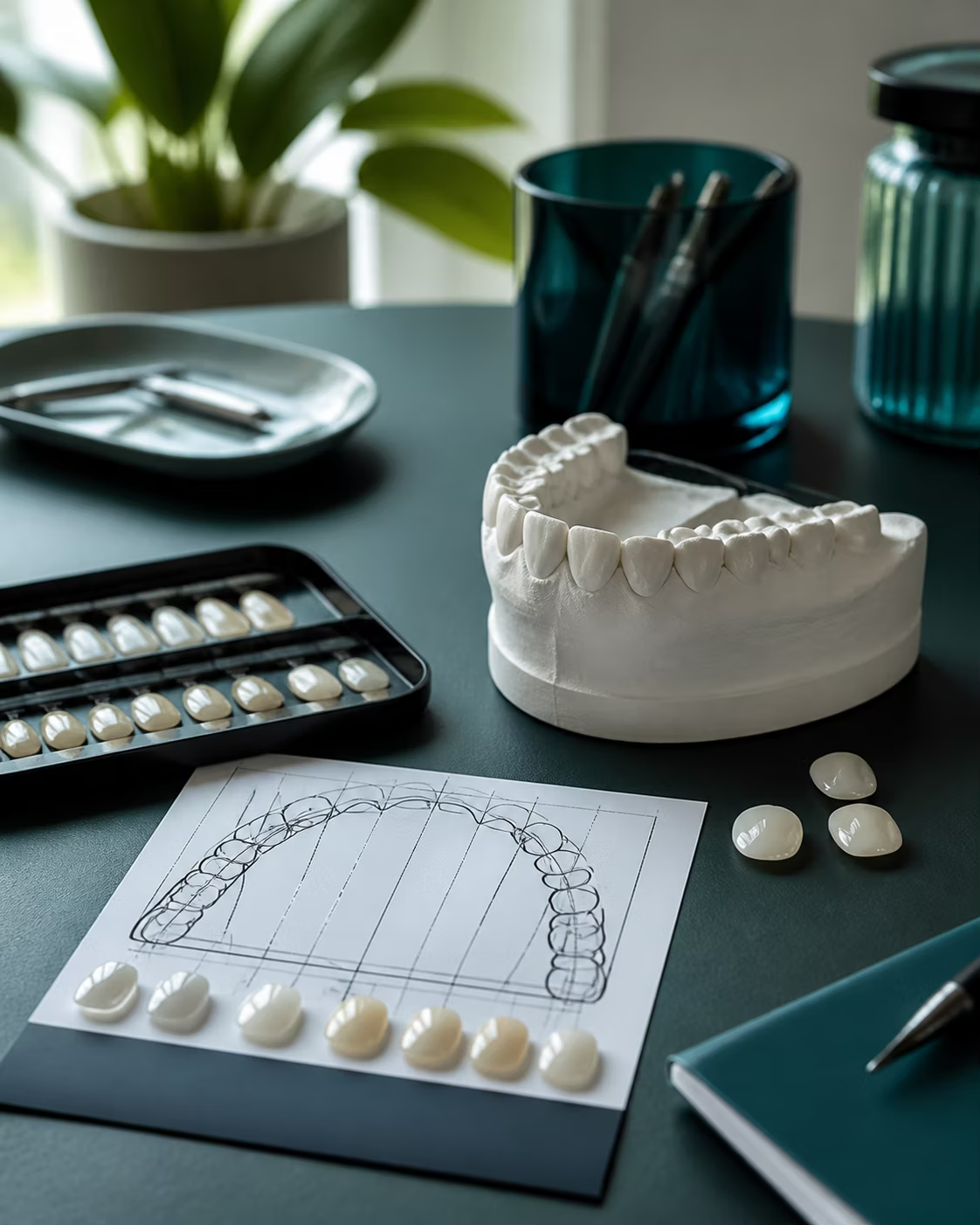
A single correction or a whole new smile
For a single tooth affected by, say, an injury, one veneer is usually enough. When the goal is a uniform look for the whole smile, patients more often go for a package — indicatively around 20 teeth in the visible arch.
Why the dentist looks at the whole smile, not one tooth at a time
Colour, shape and proportion all need to work together, so the number and placement of veneers is planned from the perspective of the whole smile, not tooth by tooth.
What to confirm before deciding
An article about “How Many Teeth Do Veneers Usually Cover?” does not replace a dental examination. A treatment plan is based on the condition of the teeth and gums, medical history, medicines and, where needed, imaging tests.
Ask about alternatives, the expected treatment time, hygiene, risks and follow-up care. A well-prepared plan should be clear before treatment begins.
The content on this page is for informational purposes only and does not constitute medical advice. Each case requires an individual consultation. Treatment results depend on patient characteristics and are not guaranteed.
Questions & Answers
Frequently Asked Questions
Do veneers have to cover every tooth?
No — the scope depends on the treatment goal. It could be a single tooth or a package covering more teeth in the visible arch.