
Aesthetic Surgery
Septoplasty — How the Deviated Septum Procedure and Recovery Work
A deviated nasal septum is often more than a cosmetic issue — it can make everyday breathing harder. Here's what correcting it involves.
Published: 23 August 2026 · Updated: 23 August 2026
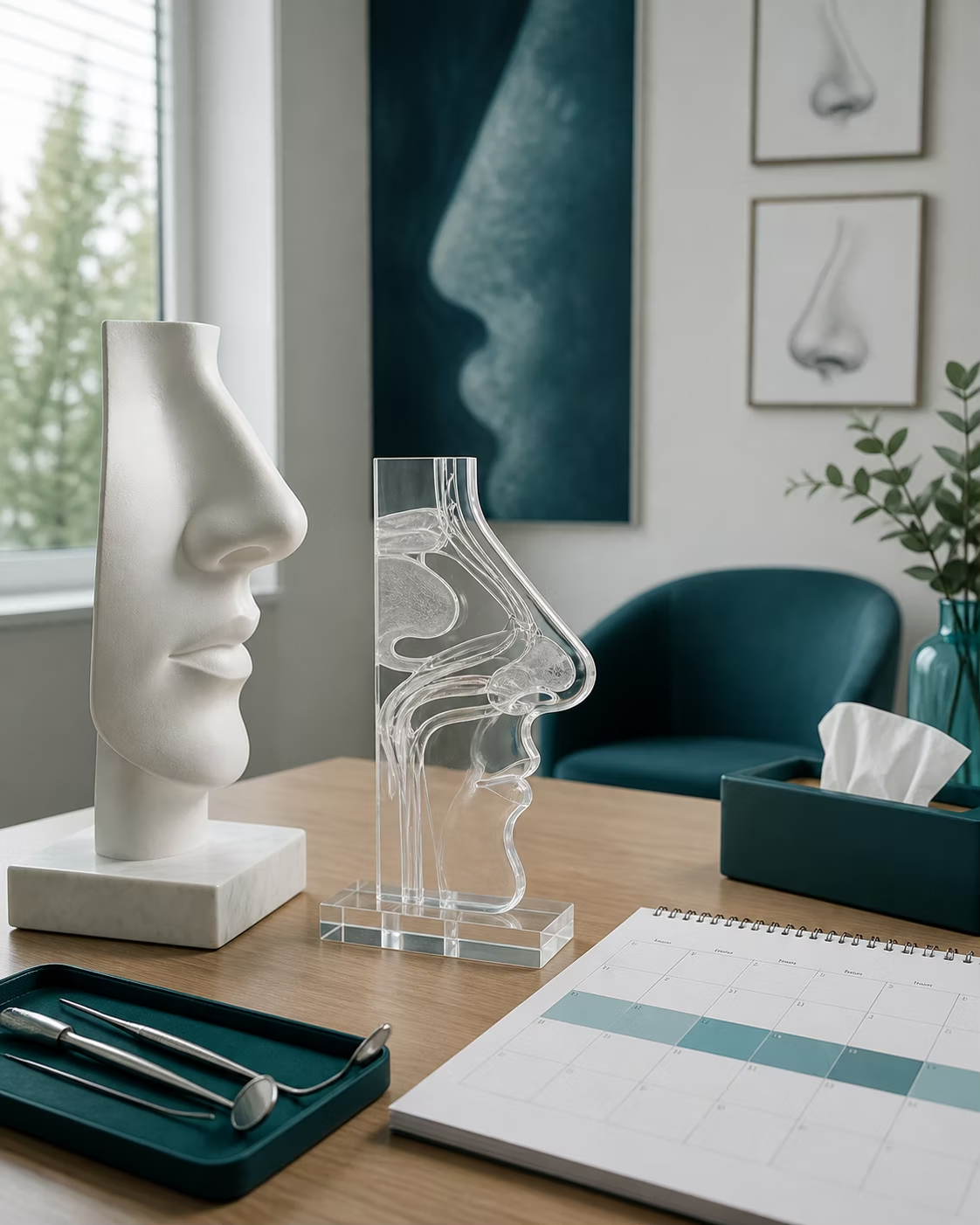
When septoplasty comes into consideration
Chronic breathing problems, persistent snoring, or recurring sinus infections are typical reasons patients book a consultation. The exam and history are carried out by the clinic's doctor before any decision is made.
What happens after the procedure
A splint or packing may sit inside the nose for a while. Swelling and mild bruising usually clear within 1–2 weeks, though the full picture of the result takes longer to settle. The exact recovery timeline is given individually by the clinic, not from a general leaflet.
An informed decision starts with a consultation
This article explains “Septoplasty — How the Deviated Septum Procedure and Recovery Work”, but a procedure requires an individual qualification. The surgeon should discuss the goal of treatment, possible techniques, scars, recovery, risks and available alternatives.
Bring your questions to the consultation and disclose health conditions, medicines, smoking and previous procedures. This helps assess safety, the scope of treatment and realistic expectations.
The content on this page is for informational purposes only and does not constitute medical advice. Each case requires an individual consultation. Treatment results depend on patient characteristics and are not guaranteed.
Questions & Answers
Frequently Asked Questions
Is septoplasty purely a cosmetic procedure?
No — it usually corrects a deviated septum that has a functional cause, affecting breathing, rather than being purely about appearance.