
Hair Transplant
Trichoscopy — What Does a Scalp and Hair Examination Look Like?
Trichoscopy sounds more intimidating than it is. It's simply magnified imaging of the scalp — no needles, no special preparation.
Published: 23 August 2026 · Updated: 23 August 2026
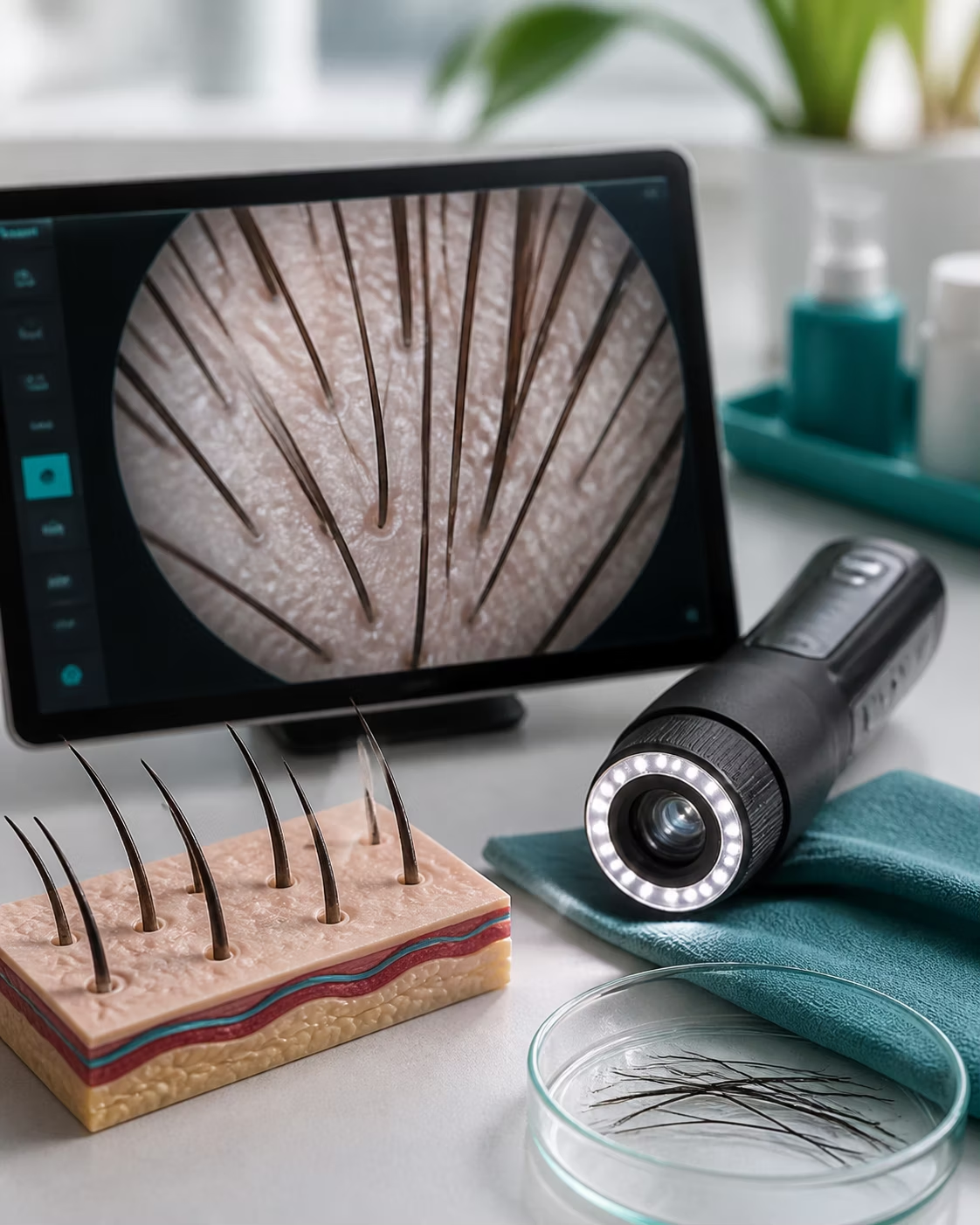
What the exam itself looks like
A special device images the scalp and hair under high magnification. It's non-invasive — no preparation is needed beforehand.
Trichoscopy after a transplant — why around 3 months
It's part of Flymedica's aftercare: a follow-up exam in Poland, typically around 3 months after the transplant, used to assess early results and how healing has progressed.
Eligibility comes before planning a procedure
This article explains “Trichoscopy — What Does a Scalp and Hair Examination Look Like?”, but a transplant requires an individual assessment of the scalp, donor area and type of hair loss. The doctor decides whether a procedure, another treatment or postponing the decision is appropriate.
During a consultation, ask about the scope of treatment, realistic expectations, possible risks, preparation, aftercare and all costs. A price list or online photographs cannot replace medical eligibility assessment.
The content on this page is for informational purposes only and does not constitute medical advice. Each case requires an individual consultation. Treatment results depend on patient characteristics and are not guaranteed.
Questions & Answers
Frequently Asked Questions
Does trichoscopy hurt?
No — it's a non-invasive imaging exam, with no needles or sample collection.
When is the follow-up trichoscopy done after a transplant?
Typically around 3 months after the procedure, as part of Flymedica's hair transplant aftercare.