
Dentistry
Inlay and Onlay Dental Restorations — When to Use Which
Sometimes a cavity is too big for a filling but still too small to justify a full crown. That's where an inlay or onlay restoration comes in.
Published: 23 August 2026 · Updated: 23 August 2026
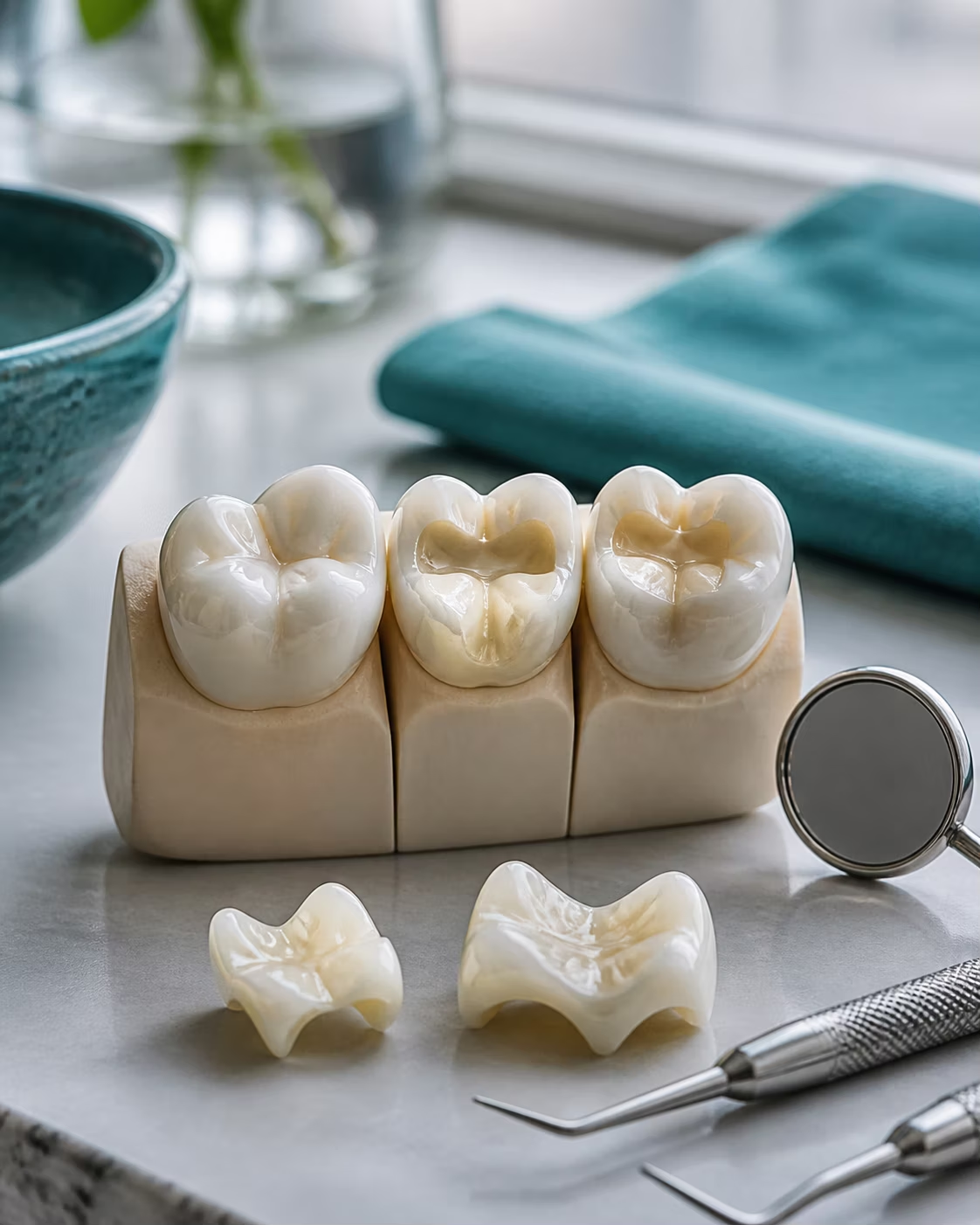
Where the line between Inlay and Onlay sits
An Inlay fills a cavity within the chewing surface. An Onlay goes further, covering part of the tooth's outer surfaces too, including its cusps. Which variant makes sense depends on the size and location of the cavity.
When this comes into play at all
When the tooth structure is still strong enough that a full crown would be overkill, but the cavity has outgrown what a standard filling can handle.
What to confirm before deciding
An article about “Inlay and Onlay Dental Restorations — When to Use Which” does not replace a dental examination. A treatment plan is based on the condition of the teeth and gums, medical history, medicines and, where needed, imaging tests.
Ask about alternatives, the expected treatment time, hygiene, risks and follow-up care. A well-prepared plan should be clear before treatment begins.
The content on this page is for informational purposes only and does not constitute medical advice. Each case requires an individual consultation. Treatment results depend on patient characteristics and are not guaranteed.
Questions & Answers
Frequently Asked Questions
Is an Inlay or Onlay an alternative to a crown?
In selected cases, yes — but the decision on which option to use is made by the dentist after examining the specific tooth.